Fawry and CDS Launch Direct Integration Between Tap N Pay and Odoo to Transform Digital Retail in Egypt
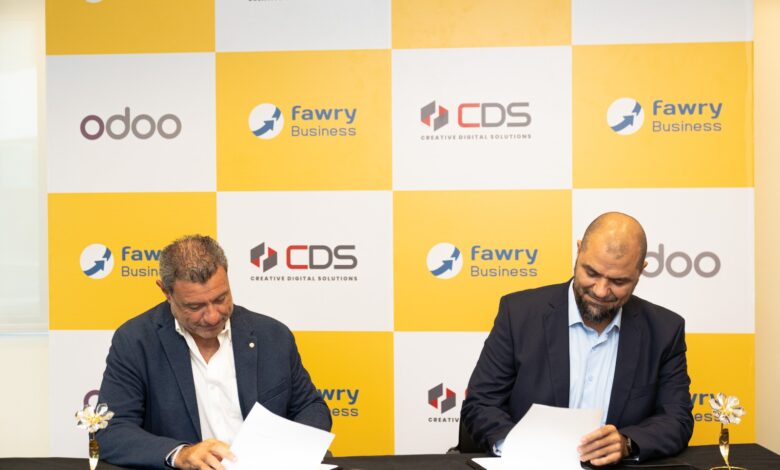
Fawry, Egypt’s leading fintech pioneer, has partnered with Creative Digital Solutions (CDS), an Odoo Gold Certified Partner, to launch a groundbreaking direct integration between the Fawry Business Tap N Pay application and the Odoo business management system.
This strategic collaboration bridges the gap between sales, payments, and accounting, providing businesses with a unified, cloud-ready ecosystem designed to maximize operational efficiency.
Powered by advanced SoftPOS technology, the solution enables merchants across retail, wholesale, food & beverage (F&B), and manufacturing sectors to instantly transform NFC-enabled smartphones and tablets into fully functional contactless payment terminals—eliminating the need for traditional hardware.
All transaction data syncs in real-time directly into Odoo, automating sales orders, invoicing, and ledger entries while eradicating manual data entry errors.
This milestone aligns seamlessly with the Central Bank of Egypt’s digital transformation strategy, driving financial inclusion and supporting the core objectives of Egypt Vision 2030 by empowering enterprises with scalable, highly secure financial infrastructure.