The AI Trial of the Century: Can Musk vs. Altman Ever Find an Impartial Jury?
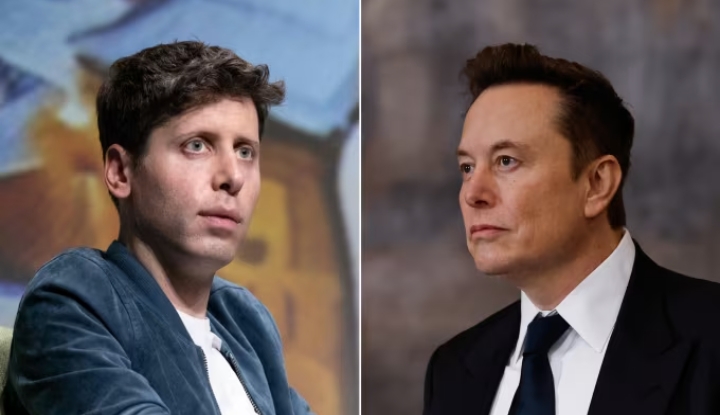
The future of OpenAI—and perhaps the trajectory of Artificial Intelligence itself—is about to be placed in the hands of twelve ordinary citizens.
As the legal battle between Elon Musk and OpenAI kicks off this Monday, the tech world is bracing for a “soap opera” trial that pits the world’s richest man against the face of the AI revolution, Sam Altman.
At the heart of the lawsuit is a fundamental question of integrity. Musk alleges that Altman and President Greg Brockman executed a “bait-and-switch,” abandoning OpenAI’s foundational promise as a non-profit dedicated to humanity in favor of a profit-driven partnership with tech giants.
Musk claims he was misled into funding the early stages of OpenAI under the guise of an open-source mission.
The shift to a “for-profit” arm is viewed by Musk as a breach of contract that prioritizes shareholder value over global safety.
Critics argue that a win for Musk isn’t just about principles—it’s a strategic move to clear the lane for his own competitor, xAI.
The timing could not be more volatile. With a multi-billion dollar IPO on the horizon, OpenAI is currently walking a financial tightrope.
The most significant hurdle in the courtroom may not be the law itself, but the people deciding it. In a world where ChatGPT has become a household name and Elon Musk is a constant headline, finding **impartial jurors** is a near-impossible task.
How can a group of laypeople, who may have little understanding of the technical nuances of Artificial General Intelligence (AGI), remain unbiased when the protagonists are global celebrities? The defense and prosecution face a monumental challenge: simplifying complex corporate structures and ethical dilemmas for a jury that might already have a “side” before the first witness is called.
As the gavel falls on Monday, the industry isn’t just watching a legal dispute; it’s watching a battle for the soul of AI development.